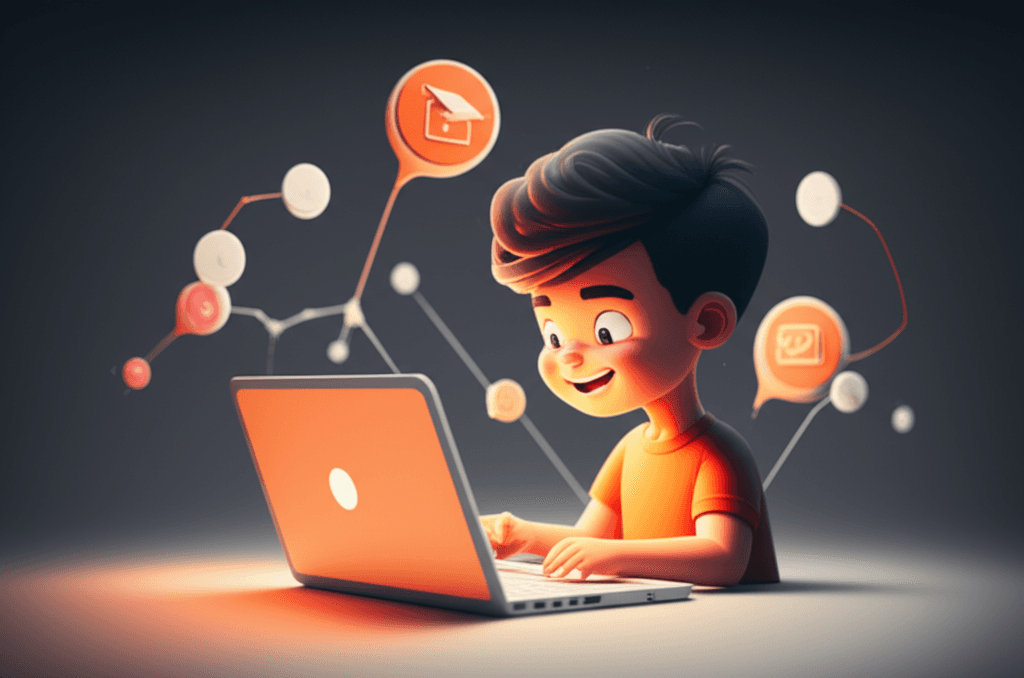
Online learning has become a permanent part of education. Whether for coding classes, academic subjects, or enrichment programs, children increasingly learn through screens. Here's how to set them up for success.
1. Create a Dedicated Learning Space
A dedicated learning space signals to the brain that it's time to focus. This doesn't require a separate room—a corner of the living room or kitchen table can work, as long as it's used consistently.
What to look for:
- Reliable Internet: Check connection before class.
- Good Lighting: Light should not glare on the screen or distract the child.
- Comfort: Proper seating and screen positioning prevent discomfort during longer sessions.
2. Encourage Active Participation
- Keep Cameras On: This increases accountability, helps teachers gauge understanding, and maintains social connection.
- Ask Questions: Praise children for asking questions and participating. Online learning requires more intentional engagement than in-person classes.
3. Manage Distractions
During class, close other applications and put personal phones away.
- For Younger Children: Being nearby (without hovering) helps maintain focus.
- For Older Children: Periodic check-ins work better to ensure they stay on task.
4. The Codzilla Approach
We have refined our online approach to ensure maximum engagement:
- Small Class Sizes: Ensuring every student gets individual attention.
- Interactive Tools: Keeping lessons engaging and hands-on.
- Regular Breaks: Preventing screen fatigue.
- Project-Based Learning: Maintaining motivation through tangible results.
Online learning done well offers unique advantages: flexibility, access to specialized instructors, and development of digital skills. With the right support, children can thrive in virtual classrooms.
Share this article